Bird Feathers – Nature’s Marvel
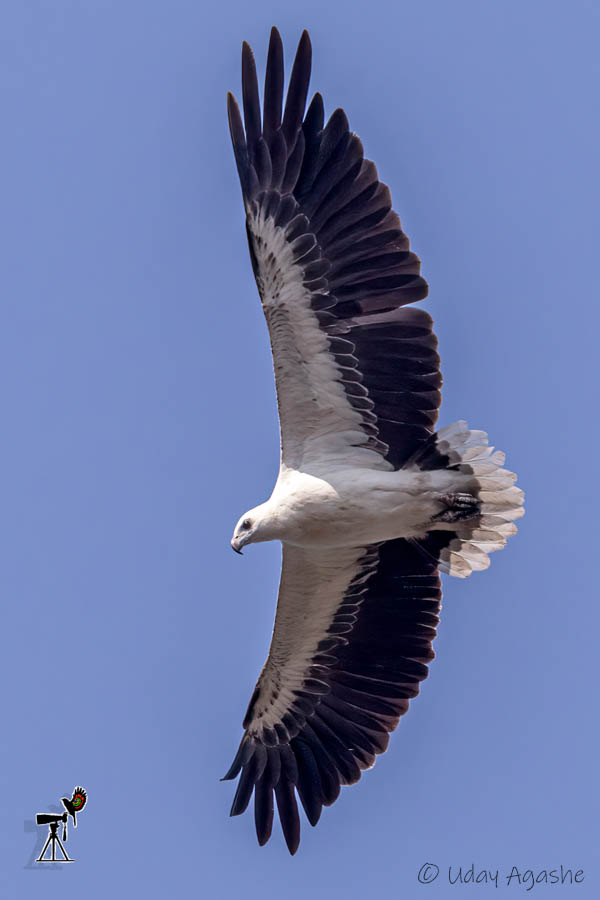
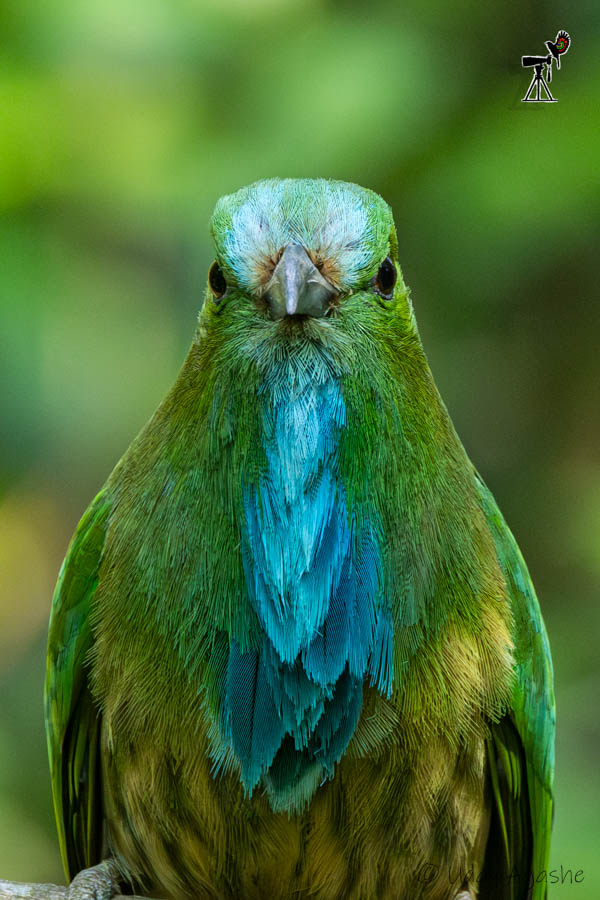
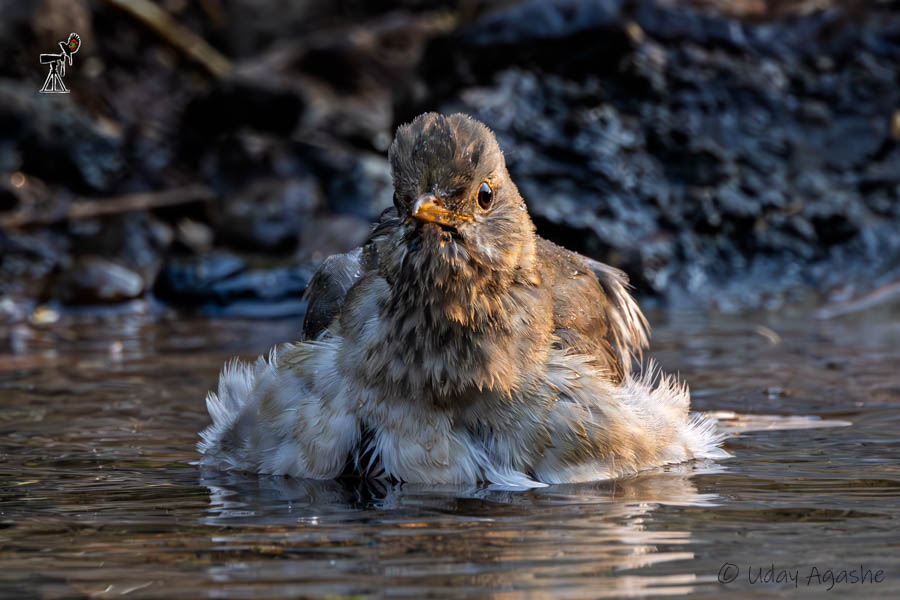
What Makes Birds Unique?
When we think about birds, the first thing that usually comes to mind is flight. But birds are not the only creatures capable of flying. Butterflies, dragonflies, bees, and even mosquitoes fly. Among mammals, bats can fly too. And, interestingly, not all birds can fly (e.g. penguins).
Birds lay eggs, but so do reptiles, amphibians, fish, and many other animals.
Maybe their beaks make them unique? Not really. Even turtles and some fish species possess beak-like mouth structures.
So what truly separates birds from all other living creatures?
The answer is feathers.
Feathers are one of nature’s most remarkable evolutionary innovations. No other group of animals possesses true feathers, and they are one of the defining characteristics of birds.
Why Did Birds Develop Feathers?
This question has fascinated scientists for decades.
Interestingly, many researchers believe feathers may have evolved before true flight developed. Over time, different theories have been proposed regarding their original purpose.
Some of the major theories include:
- Flight: Feathers eventually enabled powered flight
- Insulation: Early feathers may have helped animals retain body heat
- Waterproofing: Feathers can protect the body from rain and moisture
- Display and coloration: Bright colours and elaborate feather structures may have evolved for courtship and communication
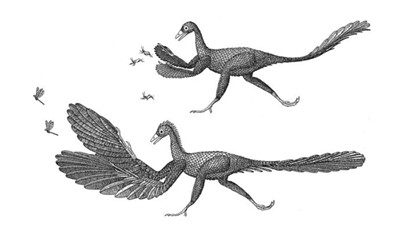
- Protection from heat: One theory suggests primitive feathered dinosaurs may have used feathered limbs to shade eggs and hatchlings from the harsh Jurassic sun
- Insect-scoop theory: Proto-wings may initially have helped animals trap or scoop insects while hunting.
DID YOU KNOW?
Some dinosaur fossils discovered in China show clear evidence of feather-like structures. This strongly supports the evolutionary link between dinosaurs and modern birds.
Unfortunately, understanding feather evolution is difficult because feathers rarely fossilize well. Unlike bones, they are delicate structures and usually decompose long before fossil formation occurs. As a result, much of our understanding is based on limited fossil evidence and scientific interpretation.
Top-down or Bottom-Up?
Another long-standing scientific debate concerns how flight evolved.
Did wings develop in tree-dwelling animals that glided from branch to branch before eventually learning powered flight?
Or did they develop in ground-dwelling animals that used feathered limbs to run, leap, or escape predators?
These ideas are commonly referred to as:
- Top-down theory — flight evolved from tree-dwelling ancestors that glided between branches
- Bottom-up theory — flight evolved from ground-dwelling animals that used wing-like structures while running
DID YOU KNOW?
Archaeopteryx, one of the most famous prehistoric bird-like creatures, had both reptilian and avian characteristics, including teeth, claws, and well-developed feathers.
Back to Feathers
Instead of diving deeper into evolutionary debates, let us now try to understand feathers as we see them in modern birds.
Feathers perform several important functions:
- They help birds generate lift and remain airborne
- They streamline the body, making birds more aerodynamic
- They provide insulation against heat, cold, wind, and rain
- Their colours and patterns help birds identify members of their own species, including distinguishing males from females
- They help camouflage birds by blending them into their surroundings
- They protect the body from scratches and injuries while moving through vegetation
To understand feathers better, let us look at their broad classification
Main Types of Bird Feathers
Broadly speaking, bird feathers can be grouped into three major categories:
- Contour Feathers
- Down Feathers
- Semiplumes
This is a highly simplified classification intended for beginners. In reality, feathers often show modifications and adaptations depending on the bird’s habitat and lifestyle. Many feathers may even combine characteristics of multiple feather types.
Let’s start with the most common feather type seen, the Contour Feathers.
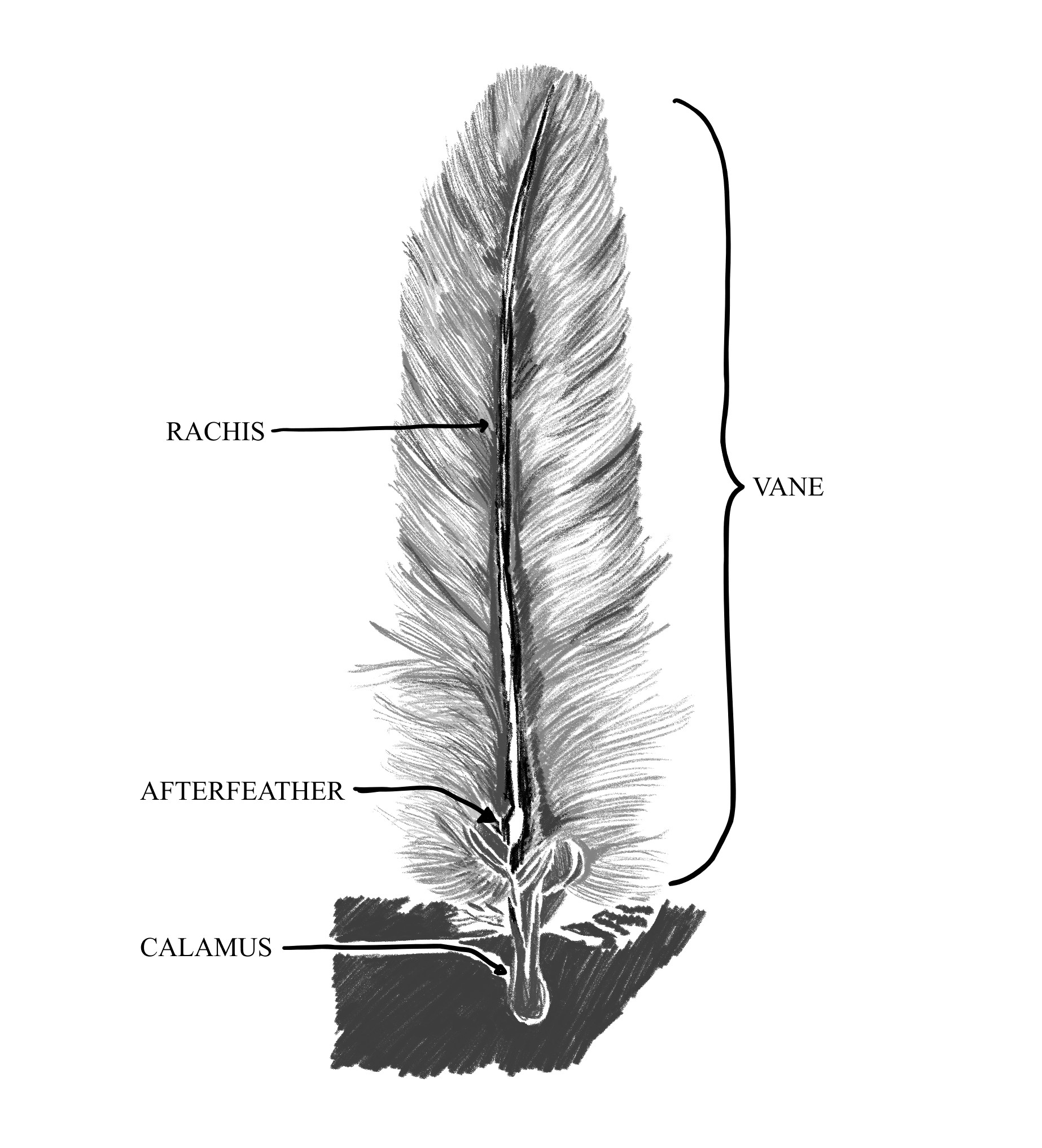
Contour Feathers
When we observe a bird, most of the visible feathers belong to this category.
Contour feathers form the bird’s outer covering and give it its overall shape and appearance.
A typical contour feather has a central shaft called the rachis. Branching out from it are structures called barbs, which further contain tiny hook-like structures called barbules. These interlock with one another, creating a smooth and often waterproof surface.
Near the base of many contour feathers are softer, hair-like portions that provide additional insulation.
DID YOU KNOW?
Birds spend a significant amount of time “preening” their feathers. During preening, they clean, rearrange, and waterproof feathers using oil secreted from a special gland near the tail.
Contour feathers show tremendous diversity across bird species:
- Tiny head feathers of hummingbirds
- Massive wing feathers of eagles
- Decorative plumage of peacocks
- Ear tufts in owls
- Specialized belly feathers of sandgrouse that absorb and carry water for chicks
These are all examples of modified contour feathers.
Certain contour feathers are specially adapted for flight.
Flight Feathers (Remiges)
These are the large feathers attached to the wings. They help generate Lift, Thrust, & Stability during flight
Tail Feathers (Rectrices)
These feathers help birds to Steer during flight, Change direction, Maintain balance, & Apply brakes while landing
DID YOU KNOW?
Owls have specially adapted flight feathers with soft fringed edges that reduce air turbulence, allowing them to fly almost silently while hunting.
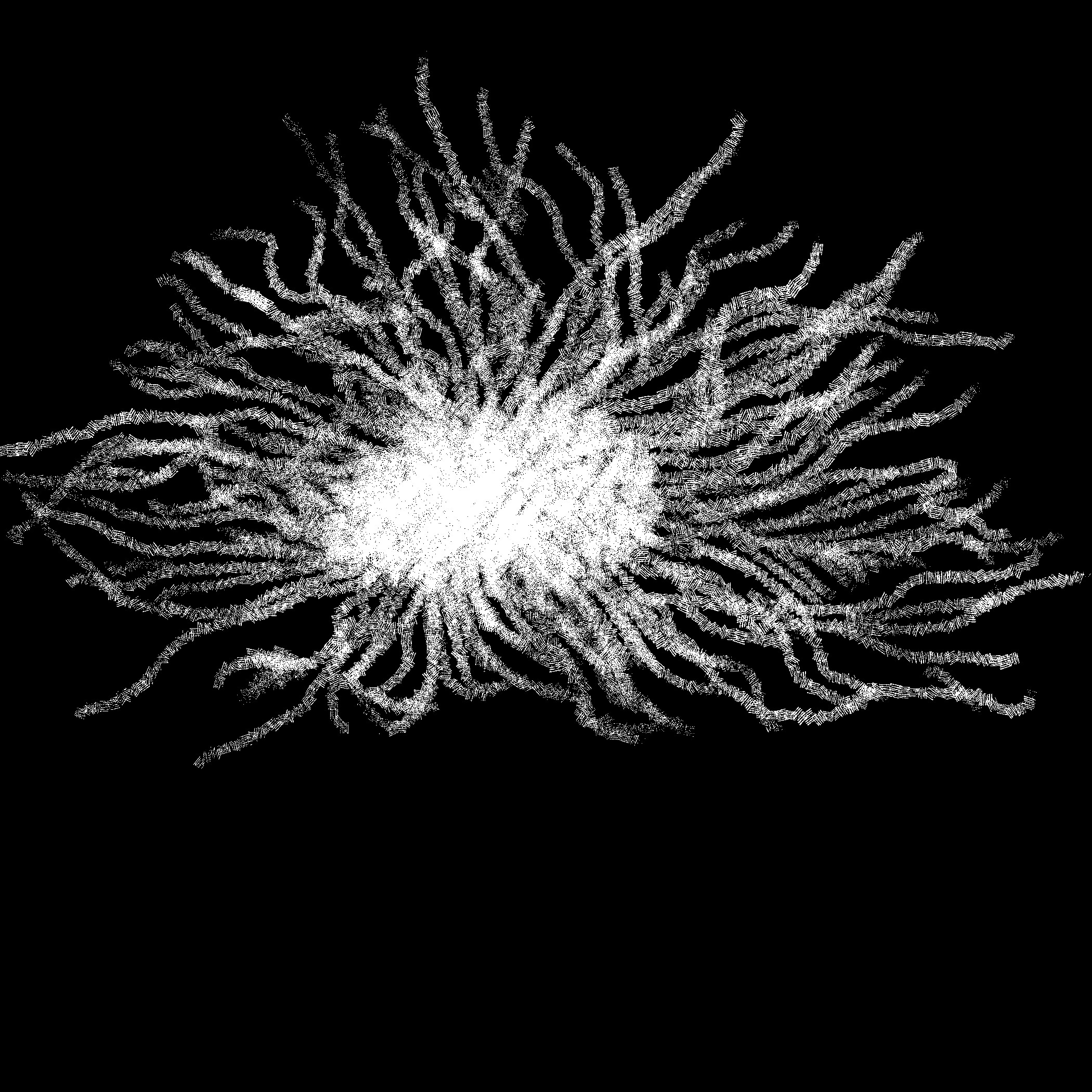
Down Feathers
Down feathers are small, soft, and fluffy.
In most birds, they remain hidden beneath the outer contour feathers. In a simple way, one could think of them as the bird’s natural thermal underwear.
Their primary function is insulation.
They trap air close to the body, helping birds survive:
- Freezing temperatures
- Strong winds
- Wet weather
- Extreme climatic conditions
Birds such as penguins, gulls, and Himalayan species survive severe cold largely because of these insulating feathers.
Unlike contour feathers, down feathers lack the tightly interlocking barbules that create a smooth outer surface. Instead, their loose structure traps warm air very efficiently.
Humans have also utilized this property. The lightweight “down jackets” commonly used in cold climates are filled with down feathers obtained mainly from ducks and geese.
DID YOU KNOW?
Newly hatched chicks are often covered mostly in down feathers, which help keep them warm before their adult feathers develop.
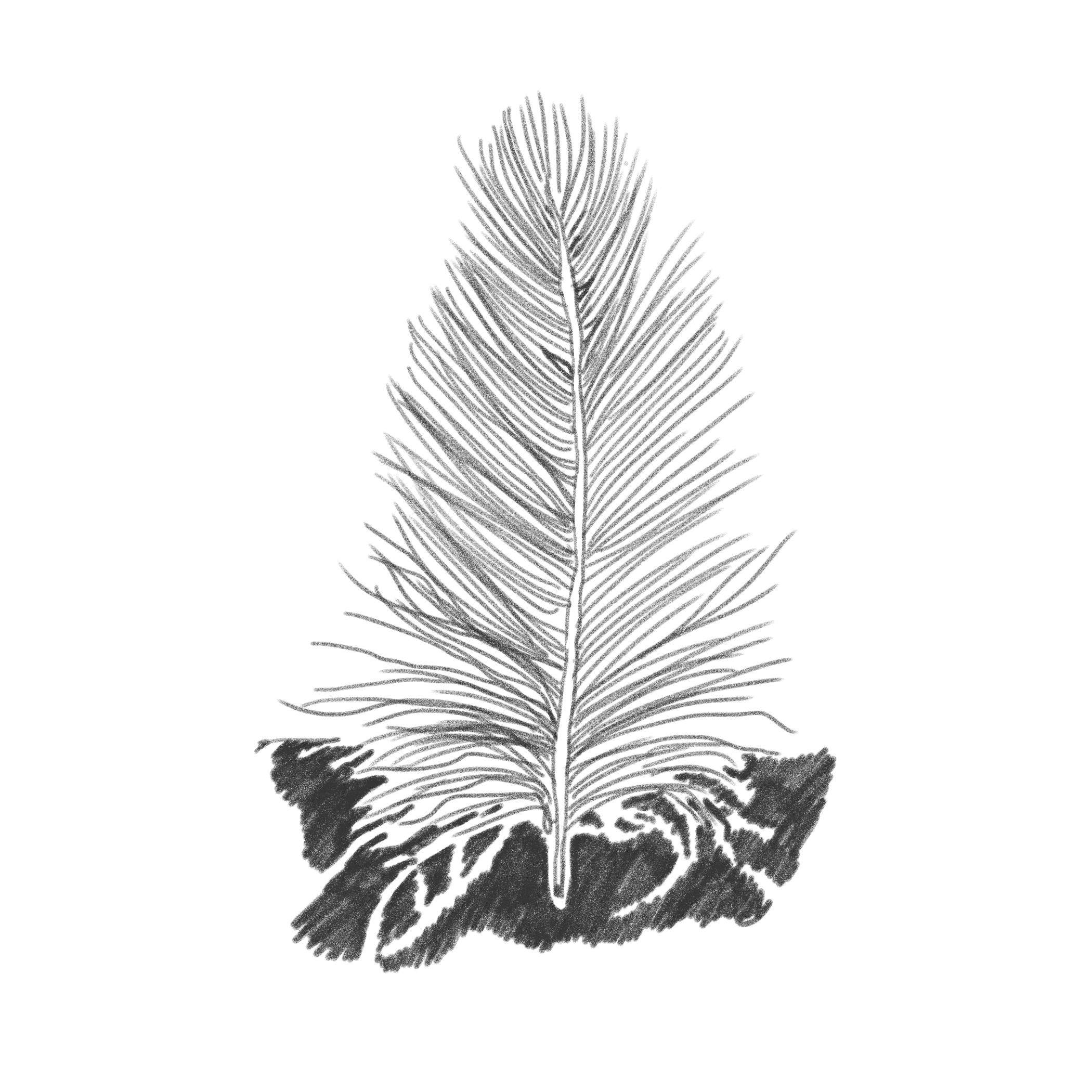
Semiplumes
Semiplumes form an intermediate layer between contour feathers and down feathers.
They help:
- Provide additional insulation
- Maintain body shape
- Improve aerodynamic contouring
Semiplumes possess a rachis like contour feathers, but their barbs do not interlock tightly.
In some birds, semiplumes are modified into ornamental breeding plumes. The elegant decorative plumes seen in egrets during the breeding season are classic examples.
Other Specialized Feather Types
Besides the three major categories, birds also possess several highly specialized feather types.
Bristles
Bristles are stiff, sparse feathers usually found around:
- The beak
- Eyes
- Nostrils
They often function as sensory structures.
In insect-eating birds, bristles may help detect prey movement and offer some protection to the eyes during capture.
Filoplumes
Filoplumes are tiny, hair-like feathers that function almost like sensors.
They are usually found near flight feathers and help birds monitor:
- Feather position
- Airflow
- Wing movement
During flight, they likely provide feedback that helps birds make extremely fine aerodynamic adjustments.
Nature’s Engineering Masterpiece
Net-net, feathers are far more than simple body coverings.
They Combine:
- Engineering
- Insulation
- Aerodynamics
- Communication
- Camouflage
- Beauty
All in a structure that is lightweight, flexible, and incredibly efficient.
Whether it is the silent flight of an owl, the waterproof plumage of a duck, or the dazzling display of a peacock, feathers remain one of evolution’s finest creations.
References
I have used various sources available on the internet which includes websites like (https://www.ornithology.net/avian-anatomy/feathers), and the book 'Feathers – The Evolution of a Natural Miracle' by the author Thor Hanson
Leave a Comment
Comments
Informative still put up in interesting manner
Very good information
Very informative and explained in simple language
Very interesting article. Scientific information presented in a simple , easy to understand language. Thank you.
Well researched and presented
Uday, great initiative, well illustrated and keenly informative 😍
Very informative 👌👌👌
Excellent information.....you know what Myra loves feathers......whenever in garden she collects feathers
Excellent......once again
Scientific information written very interestingly. Enjoyed reading
Excellent article. Never thought so much about feathers. Great going, keep it up….
Good reading on an important aspect
Reading this blog gave me more insight about feathers..
Very lucidly written and just right to enhanced basic knowledge.
It's got me inquisitive to get to know more on feathers.
Very nice information Uday ji , keep it up the good work
खूप सुंदर अभ्यासपूर्ण लिहिले आहे 🫡🫡🥰
फारच सुंदर माहिती दिली आहे
Nice informative article Udayji 💐
O my God. कधी विचारच नव्हता केला feathers बद्दल. खूप छान आणि informative